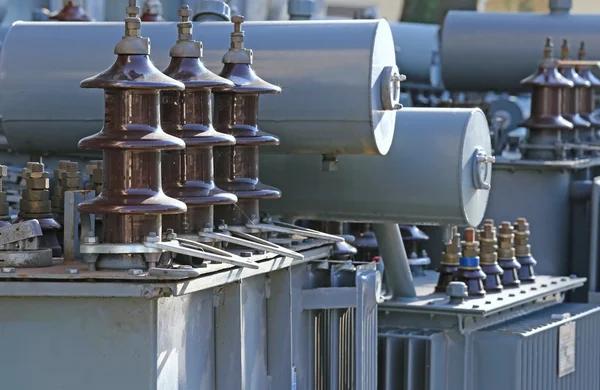
In the realm of power generation, ensuring the safety and integrity of critical infrastructure is paramount. Among the various components that make up a power plant, transformers play an essential role in stepping up or stepping down voltage levels to facilitate efficient electricity transmission. However, these vital pieces of equipment are not without their vulnerabilities. Transformer failures can lead to catastrophic consequences, including fires and explosions that threaten both human life and the operational continuity of a power plant. To mitigate such risks, transformer blast walls have emerged as a crucial protective measure.
Transformer blast walls are robust structures designed to withstand and deflect dive into the details forces generated by an explosion or fire originating from a transformer failure. These walls serve multiple purposes: they protect nearby personnel from harm, prevent damage to adjacent equipment, and contain any hazardous materials released during an incident. By doing so, they ensure that even if one transformer fails catastrophically, it does not trigger a domino effect leading to widespread disruption across the facility.
Constructed using high-strength materials like reinforced concrete or steel composites, blast walls are engineered to absorb shockwaves and thermal impacts effectively. Their design often involves precise calculations based on potential explosion magnitudes specific to each site’s operational parameters. This customization ensures that every wall provides optimal protection tailored to its unique environment.
Beyond physical protection, blast walls also contribute significantly to minimizing downtime following an incident. By isolating damaged transformers from other operational units within the plant complex, these barriers allow unaffected sections of the facility to continue functioning while repairs are underway on compromised areas. This separation is crucial for maintaining grid stability since prolonged outages can have far-reaching economic repercussions.
Moreover, incorporating advanced technologies into blast wall designs has further enhanced their efficacy over time. For instance, some modern installations feature sensors capable of detecting pressure changes indicative of impending failures before they occur—allowing for preemptive measures like controlled shutdowns or emergency response activation.