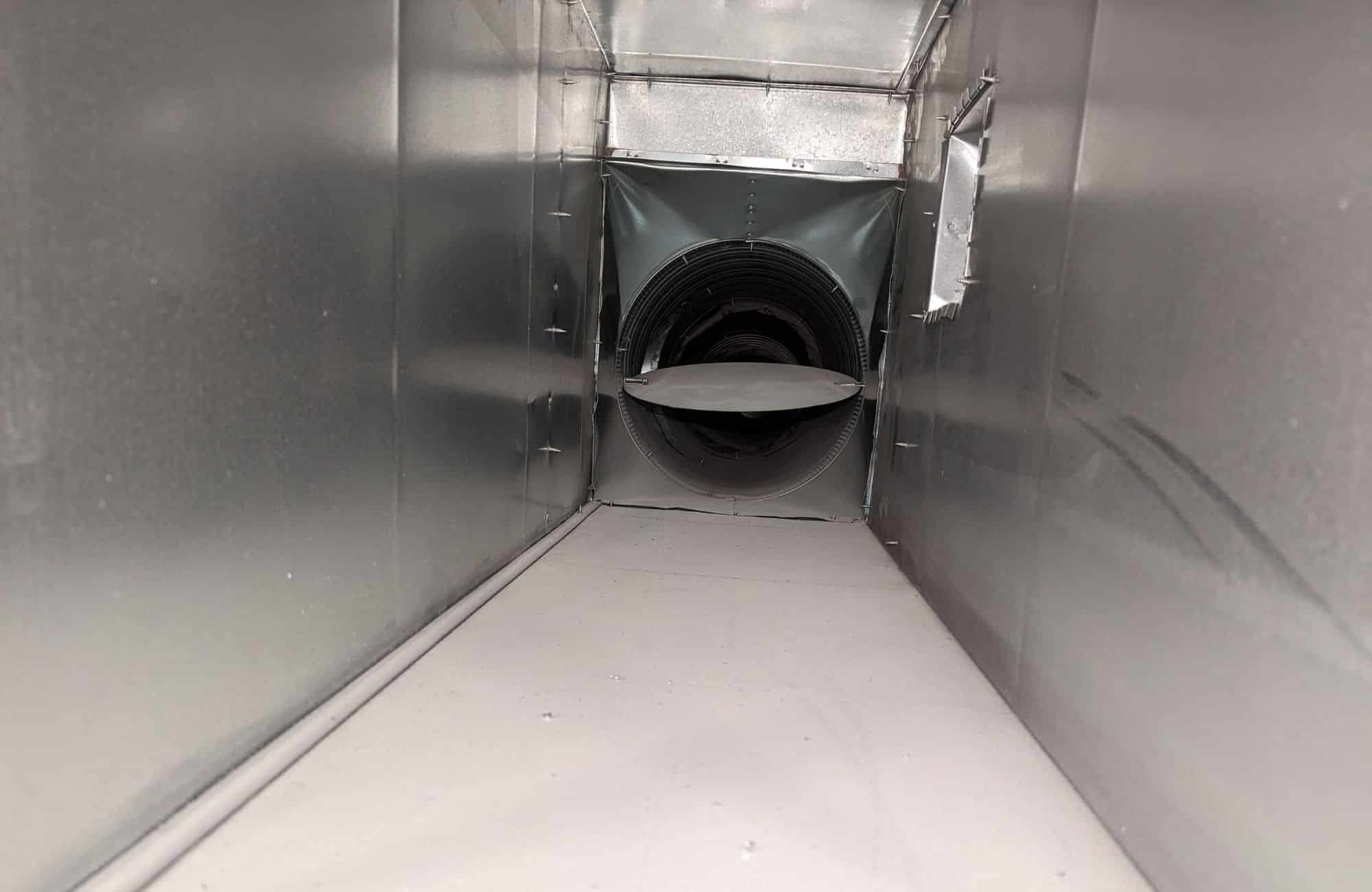
Closing too many HVAC air vents in a home or office is a practice that some people adopt in an attempt to control temperatures and save on energy costs. However, this seemingly simple action can lead to several unintended consequences that may outweigh any perceived benefits. Understanding the risks associated with closing multiple air vents is essential for maintaining an efficient and healthy HVAC system.
Firstly, it’s crucial to understand how an HVAC system functions. These systems are designed to distribute air evenly throughout a space based on specific calculations regarding airflow and pressure. When you close off too many vents, it disrupts this balance by increasing the pressure within the ductwork. This increased pressure forces the system’s blower to work harder than intended, potentially leading to mechanical stress and premature wear and tear on components such as motors and belts.
Moreover, excessive pressure can cause leaks in ductwork over time. Ducts are typically made from materials that can weaken when subjected to abnormal pressures repeatedly. Leaks not only reduce the efficiency of your HVAC system but also allow conditioned air to escape into unused spaces like attics or crawlspaces, further diminishing energy savings.
Another risk involves temperature imbalances within your living or working environment. Closing visit our website too many vents can create hot or cold spots because certain areas will receive less conditioned air than others. This inconsistency makes it difficult for occupants to achieve comfortable indoor conditions without making constant thermostat adjustments, which ironically could lead to increased energy consumption rather than savings.
Additionally, there’s a potential impact on indoor air quality when numerous vents are closed. Proper ventilation is essential for reducing pollutants like dust, allergens, and other particulates from circulating within enclosed spaces. By restricting airflow through vent closures, these contaminants may accumulate at higher levels in certain areas of the building, posing health risks particularly for individuals with respiratory issues.
Finally, while attempting cost-saving measures by closing vents might seem appealing initially due its simplicity; however professional guidance should be sought before undertaking significant changes affecting overall heating/cooling dynamics inside premises . Consulting with an experienced technician ensures correct evaluation followed up necessary adjustments – either structural modifications installation advanced zoning systems capable handling diverse requirements efficiently without compromising operational integrity over longer periods .
In conclusion , although shutting off select few strategically located registers during extreme weather conditions provide temporary relief , indiscriminately sealing large number outlets poses serious challenges ranging from equipment damage reduced comfort compromised safety standards . It’s advisable homeowners facility managers alike remain informed about implications decisions make regarding their climate control infrastructure so they avoid costly repairs maintain optimal performance levels year round .