
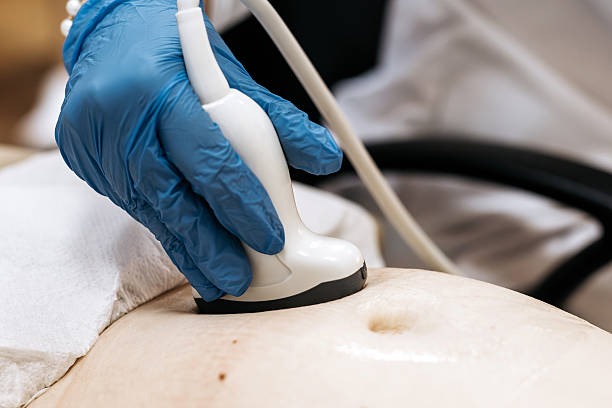
Low sperm count, medically known as oligospermia, is a common factor contributing to male infertility. It refers to a lower than normal concentration of sperm in the semen, which can reduce the chances of fertilizing an egg. Recognizing early signs and understanding common causes are essential for timely diagnosis and treatment.
One of the primary challenges with low sperm count is that it often presents without obvious symptoms. Many men may remain unaware until they experience difficulties conceiving with their partner. However, some subtle signs might suggest underlying reproductive issues. These include changes in sexual function such as reduced libido or difficulty maintaining an erection. In some cases, men might notice pain or swelling in the testicular area, which could indicate infections or varicocele-an enlargement of veins within the scrotum linked to decreased sperm production. Additionally, hormonal imbalances may manifest through symptoms like breast tenderness or growth (gynecomastia), fatigue, and decreased muscle mass.
Several factors contribute to causes of low sperm count, ranging from lifestyle choices to medical conditions and environmental exposures. One prevalent cause is varicocele; this condition disrupts normal blood flow and raises temperature around the testes, impairing sperm development. Infections affecting the reproductive tract such as epididymitis or orchitis can also damage sperm-producing tissues if left untreated.
Hormonal imbalances involving testosterone levels or abnormalities in pituitary gland function play a significant role in regulating spermatogenesis-the process by which sperm cells are produced. Genetic defects such as Klinefelter syndrome can interfere with testicular function leading to reduced sperm output.
Environmental influences have gained attention due to increasing exposure to toxins like pesticides, heavy metals, radiation, and endocrine-disrupting chemicals found in plastics and industrial products. These substances may negatively impact hormone levels or directly damage DNA within developing sperm cells.
Lifestyle habits including smoking tobacco, excessive alcohol consumption, drug use (including anabolic steroids), poor diet, obesity, and chronic stress contribute significantly by creating oxidative stress that harms delicate reproductive tissues.
Certain medications used for cancer treatment (chemotherapy), antibiotics for severe infections, antifungal drugs, and some antidepressants have been associated with lowered sperm counts temporarily or permanently depending on duration and dosage.
Age also plays a role; although men produce new sperm throughout life unlike women’s finite eggs supply at birth-sperm quality tends to decline progressively after age 40 due to accumulated cellular damage over time.
Early evaluation by healthcare professionals typically involves semen analysis alongside physical examination and hormone testing when indicated. Identifying underlying causes allows targeted interventions ranging from lifestyle modifications to medical treatments aimed at improving fertility outcomes.
In summary, low sperm count frequently lacks overt symptoms but may be suspected through certain physical changes related to reproductive health. Multiple factors including anatomical abnormalities like varicocele; infections; hormonal disturbances; genetic conditions; environmental toxins; unhealthy habits; medication effects; and aging contribute collectively toward diminished sperm production capacity.
Head Office
168, BSNL Road, Near BSNL office, Sector 3, Hiran magri, Udaipur, Rajasthan 313001
Call
+91 90018 38800
+91 90019 97440
Email Us
dralkaivf01@gmail.com
Operating Hours
Mon – Sat 9 AM – 6 PM
Sunday 9 AM – 4 PM
