
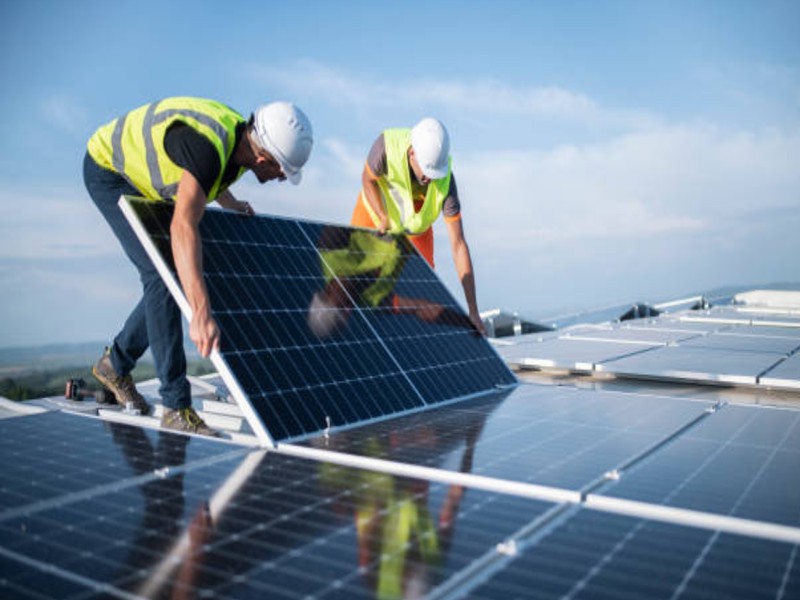
Installing solar panels involves a series of carefully planned steps that ensure the system functions efficiently and safely. The process begins with an initial site assessment, where professionals evaluate the location to determine its suitability for solar energy. This includes analyzing roof orientation, shading from nearby trees or buildings, and structural integrity to support the weight of the panels. After confirming feasibility, detailed measurements are taken to design a customized solar system tailored to meet the energy needs of the property.
Once the design is finalized, necessary permits must be obtained from local authorities. These approvals confirm compliance with building codes and utility regulations. During this phase, it is also essential to coordinate with utility companies regarding grid connection requirements and any incentives available mens beach robe for sale renewable energy installations. With permits in place, installation can proceed by first preparing the mounting structure on the roof or ground. This framework securely holds solar panels at an optimal angle for maximum sunlight exposure.
Next comes mounting the photovoltaic panels onto this structure using specialized hardware designed to withstand weather conditions while minimizing damage to roofing materials. After securing all panels, electrical wiring connects them in series or parallel configurations based on system design specifications. This wiring links each panel’s output to an inverter that converts direct current (DC) electricity generated by solar cells into alternating current (AC), which powers household appliances.
The final step before activation involves thorough testing and inspection of all components including wiring connections, inverter function, and safety devices like circuit breakers or fuses. Once everything passes inspection and receives approval from relevant authorities, homeowners can switch on their new solar power system.
Maintenance plays a crucial role in sustaining long-term performance of solar installations. Regular cleaning removes dust, dirt, bird droppings, or leaves that could obstruct sunlight absorption by panels thereby reducing efficiency. Inspections should check for physical damage such as cracks or loose mounts caused by extreme weather events over time.
Monitoring systems allow users to track daily energy production remotely through apps or online portals helping identify issues promptly if output drops unexpectedly suggesting potential malfunctions needing professional attention.
Routine maintenance also involves verifying electrical components remain intact without corrosion while ensuring inverter software updates keep pace with technological improvements enhancing overall reliability.
By following these systematic steps during installation combined with consistent upkeep practices afterward owners can maximize return on investment while contributing positively toward environmental sustainability through clean energy generation at home or business premises alike.

