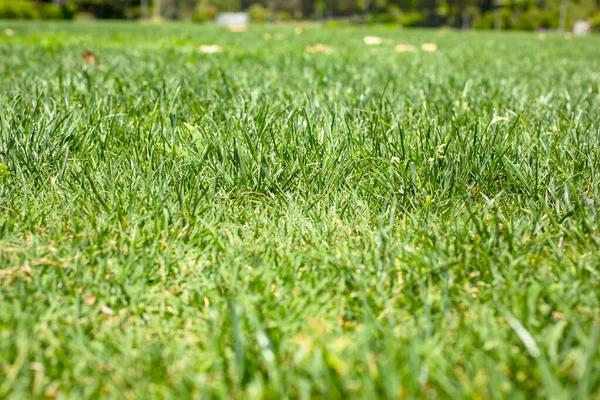
Early spring is an ideal time to begin caring for your lawn, setting the foundation for a healthy and vibrant yard throughout the warmer months. For beginners, understanding the basic steps of early spring lawn treatment can make a significant difference in achieving lush grass and preventing common issues such as weeds, pests, and diseases. The process starts with assessing your lawn’s condition after winter dormancy. Walk across your yard to identify any bare patches, areas with excessive thatch, or signs of damage caused by frost or foot traffic. This evaluation helps determine what treatments are necessary before you apply any products.
The first practical step involves raking the lawn thoroughly to remove dead grass, leaves, and other debris accumulated over winter. Removing this layer allows sunlight and air to reach the soil more effectively while also improving water absorption. If you notice a thick layer of thatch-dead organic material between the grass blades and soil-it may require dethatching using appropriate tools or professional help if severe. Once cleaned up, it is advisable to aerate compacted soil by creating small holes across your lawn using a manual or mechanical aerator. Aeration improves root growth by enhancing oxygen flow and nutrient penetration into the ground.
After preparing your lawn’s surface through cleaning and aerating, applying fertilizer tailored for early spring use will encourage strong root development and green-up as temperatures rise. Choose a balanced fertilizer containing nitrogen because it promotes leaf growth but avoid high-nitrogen fertilizers that could stimulate weak shoots prone to disease in cooler weather. It is important to follow package instructions carefully regarding application rates and timing based on your grass type.
Controlling weeds early in spring prevents them from taking hold later when they become harder to manage alongside growing turfgrass. Applying pre-emergent herbicides before weed seeds germinate can be effective; however, timing is crucial since these chemicals work best when applied just as soil temperatures consistently reach about 50 degrees Fahrenheit (10 degrees Celsius). Be cautious not to combine pre-emergents with fertilization unless specified on product labels.
Watering practices should also be adjusted during Early Spring Lawn Treatment routines. Lawns generally need less water at this stage compared to summer months but maintaining consistent moisture supports seed germination if overseeding bare spots is part of your plan after fertilizing.
By following these initial steps-cleaning debris away from dormant grass, aerating compacted soils gently without stressing plants prematurely, applying appropriate fertilizers cautiously considering temperature guidelines while managing weeds proactively-you set up an environment conducive for healthy turf establishment throughout spring into summer seasons ahead even if you are new at lawn care tasks overall.
With patience and regular attention through each season thereafter including mowing properly once growth resumes actively along with periodic feeding schedules matched specifically for local climate conditions will ensure ongoing success in maintaining an attractive landscape year-round starting right now at early springtime preparation phase itself where every effort counts toward long-term results pleasing both eyes visually plus functional outdoor space usability safely too without unnecessary chemical overuse risks involved unnecessarily either way altogether ultimately benefiting home value additionally neighborhood curb appeal simultaneously alike!