Indoor comfort is a crucial aspect of any living or working space, and when it’s compromised, it can significantly affect the quality of life or productivity. HVAC (Heating, Ventilation, and Air Conditioning) experts play a pivotal role in diagnosing and resolving indoor comfort issues. Their approach to identifying the root cause of these problems involves a systematic process that combines technical expertise with sophisticated diagnostic tools.
The first step HVAC professionals take in addressing indoor comfort issues is conducting a thorough assessment of the existing system. This involves inspecting all components of the HVAC system, including the furnace, air conditioner, ductwork, and ventilation systems. By evaluating these elements individually and collectively, they can identify any visible signs of wear or malfunction that might be contributing to discomfort.
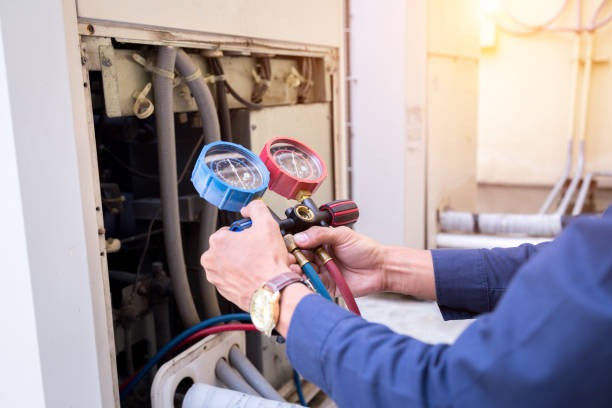
In addition to visual inspections, HVAC experts often utilize advanced diagnostic tools to gain deeper insights into potential issues. These tools may include thermal imaging cameras to detect heat loss or leaks in ductwork and digital manometers for measuring airflow pressure throughout learn more on the website system. Such technology allows them to pinpoint inefficiencies that are not immediately apparent through manual inspection alone.
Another critical factor in determining indoor comfort problems is understanding occupant behavior and preferences. HVAC professionals often engage with residents or employees to gather information about specific areas where discomfort is experienced most frequently—whether it’s inconsistent temperatures across rooms or poor air quality leading to allergies. Understanding these patterns helps technicians tailor their solutions more effectively.
HVAC specialists also consider environmental factors influencing indoor conditions. For instance, they assess building orientation concerning sunlight exposure which might affect temperature regulation within different zones of a structure throughout various times during day cycles; similarly topographical features like nearby water bodies could influence humidity levels indoors too! Analyzing such external influences provides valuable context when formulating comprehensive strategies aimed at optimizing overall climate control efficiency inside premises being serviced by their expertise-driven interventions!
Moreover – while examining mechanical aspects related directly towards heating/cooling mechanisms themselves – experienced practitioners recognize importance maintaining proper insulation standards alongside ensuring windows/doors seal tightly against drafts infiltrating from outside sources potentially compromising otherwise well-functioning systems designed keeping interiors comfortable year-round without excessive energy consumption costs associated running equipment unnecessarily high settings just compensate deficiencies elsewhere within envelope construction itself!
Once all pertinent data has been gathered analyzed thoroughly enough arrive definitive conclusions regarding underlying causes behind reported complaints concerning suboptimal experiences encountered daily basis among occupants affected environments under review – recommendations tailored specifically address identified shortcomings promptly implemented thereby restoring desired levels satisfaction enjoyed previously maintained thanks diligent efforts undertaken behalf those entrusted safeguarding wellbeing everyone involved alike!