
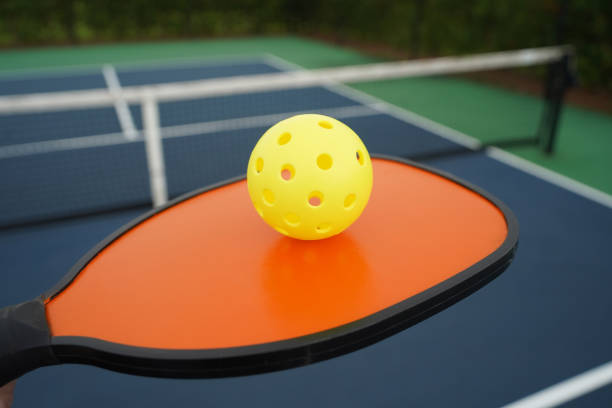
Participating in multi-day pickleball tournaments requires players to prepare both physically and mentally for the unique demands of extended competition. Unlike single-day events, these tournaments span several days, often involving multiple matches each day. Players must understand that endurance becomes as crucial as skill because maintaining energy levels throughout the event can significantly impact performance. Proper pacing is essential; going all out in early rounds may lead to fatigue later, so managing effort strategically helps sustain competitive play.
Scheduling in multi-day tournaments can be unpredictable due to weather delays or match overruns. Competitors should stay flexible and ready to adjust their routines accordingly. It’s important to keep track of match times and court assignments carefully, as missing a scheduled game could result in disqualification. Staying organized with a personal schedule or using tournament apps when available enhances time management during busy days.
Nutrition plays a vital role across multiple days of play. Consuming balanced meals rich in carbohydrates, proteins, and healthy fats supports sustained energy release and muscle recovery between matches. Hydration cannot be overlooked; continuous fluid intake before, during, and after games prevents dehydration that impairs focus and physical ability on the court. Many players find it helpful to bring snacks such more information as fruit, nuts, or energy bars for quick replenishment during short breaks.
Recovery strategies are equally important after each day’s competition. Stretching exercises help reduce muscle stiffness while light activity promotes circulation without causing additional strain. Adequate sleep is critical for cognitive function and overall physical restoration; aiming for consistent rest improves alertness during subsequent matches.
Mental preparation also influences success in multi-day settings where pressure builds over time. Maintaining a positive mindset despite setbacks fosters resilience necessary for advancing through rounds. Visualization techniques or mindfulness practices can aid concentration under stress by calming nerves before key points or matches.
Equipment considerations matter as well since prolonged use increases wear on paddles and shoes. Bringing backups ensures readiness if gear fails unexpectedly mid-tournament.
Finally, social aspects contribute positively by connecting with fellow competitors who share similar goals and challenges throughout the event duration.
Understanding these factors equips players with tools needed not only to compete effectively but also enjoy the experience that multi-day pickleball tournaments offer beyond just winning titles or prizes.